RIYADH – Saudi Arabia is warning of ‘strong’ response after fresh attacks. As Houthi attacks intensify across the kingdom’s south, a fragile Yemen conflict is once again threatening to spill into a wider regional crisis.
Houthis said they launched dozens of missiles and drones at King Khalid Air Base in Khamis Mushait, in southern Saudi Arabia. They claimed the attack targeted aircraft hangars, radar systems, runways and weapons storage facilities. The group described the assault as retaliation for Saudi airstrikes on Houthi-controlled areas of Yemen.
KSA responded by issuing emergency alerts in Khamis Mushait and three other cities in the south. The Saudi-led coalition also said Houthi attacks had left 13 civilians injured. But the latest attack appears to be part of a much wider escalation.
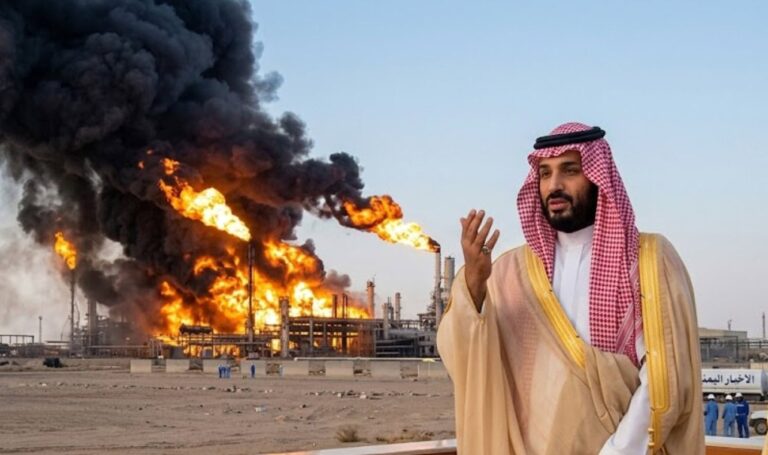
Houthis claimed series of attacks across southern Saudi Arabia, including against oil facilities near the Yemeni border. The repeated strikes have raised fresh concerns over the security of Saudi Arabia’s energy infrastructure at a time when the wider region is already facing major disruption. Houthi military spokesman Yahya Saree said Saudi aircraft had carried out strikes on Taiz, Lahij, Al-Jawf, Marib and Hajjah provinces.
On the ground, the fighting has also intensified. Yemeni military sources said Houthi missile attacks on government positions between Marib and Al-Jawf killed eight soldiers and wounded several others.
Houthis have also made battlefield gains against forces backed by Riyadh. Hundreds of people have reportedly been killed in the latest fighting as the group expands its control.
A particularly worrying development has been the Houthi advance towards the Bab al-Mandab, one of the world’s most important maritime chokepoints. The group has expanded its control along Yemen’s western coastline bordering the Red Sea, adding another layer of risk for regional shipping.
The timing could hardly be more sensitive for Saudi Arabia. KSA has already been dealing with disruption to its oil transportation network after an attack on its East-West oil pipeline, which carries crude from the eastern oil fields towards the Red Sea. Saudi officials have blamed the attack on forces operating from Iraq and said pipeline operations were suspended last week.
Red Sea route has become even more important for Saudi Arabia because shipping through the Strait of Hormuz has been restricted amid the wider regional confrontation with Iran. That means Riyadh is now dealing with pressure on both sides of its oil-export routes, disruption around Hormuz in the east and growing security threats around the Red Sea in the west.
As Saudi Arabia prepares to respond, Iran rejected any suggestion that it is directing the latest Houthi campaign. Iranian Foreign Ministry spokesman Esmaeil Baghaei said Tehran does not interfere in Yemen’s affairs. He also insisted that the Houthis are fully independent and make their own decisions based on their interests.
13 injured as Houthi missiles and drones strike three Saudi cities
News Desk
About the Author