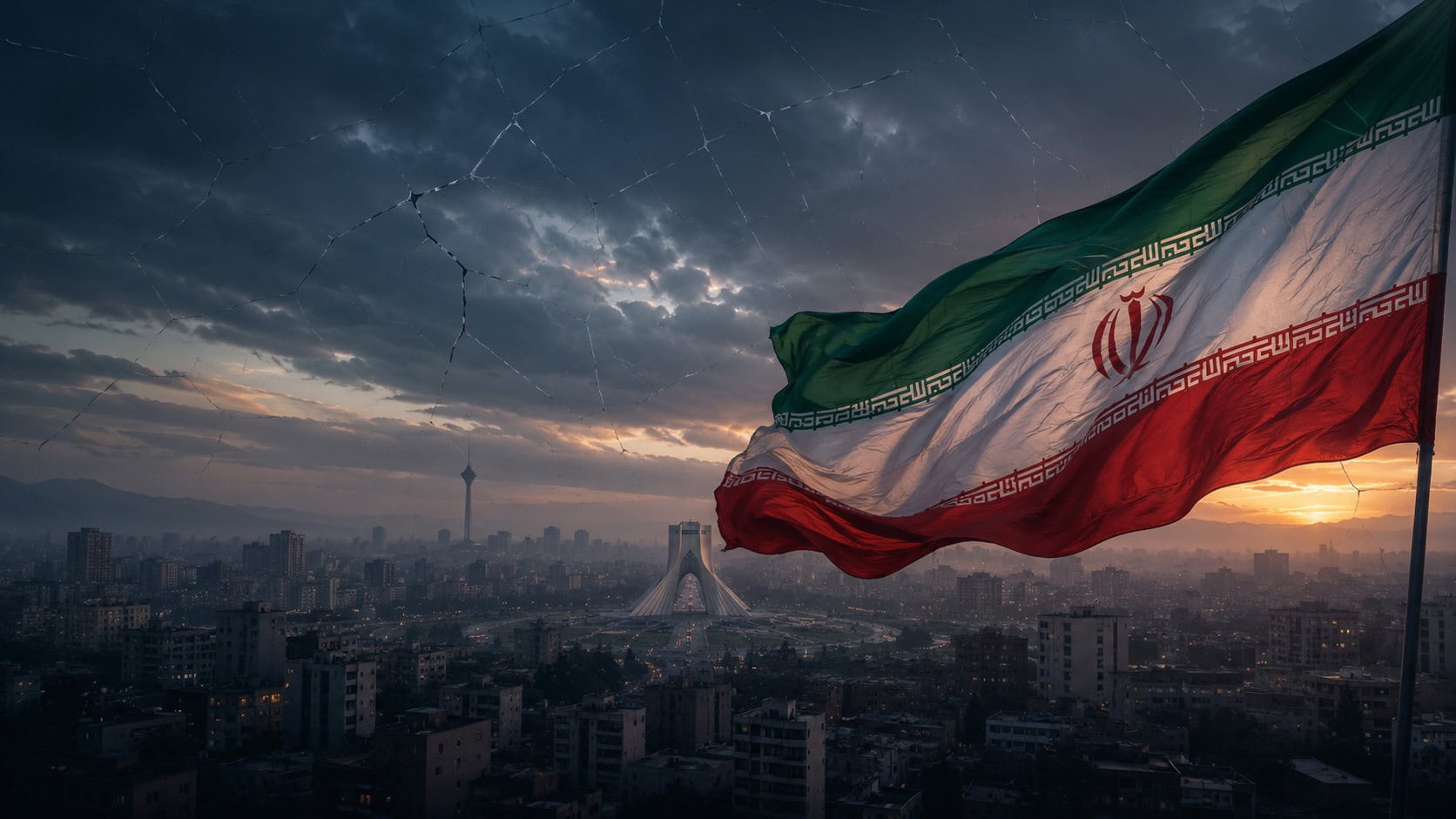
When it comes to wars, America has committed many strategic errors even after the Vietnam tragedy; however, the most unceremonious and consequential is the one committed on 28th February 2026 by attacking Iran. Leaving aside calculated risks, which are always part of any war, there were many genuine mistakes, errors and blunders made by America. Although a fragile peace agreement is again in place after 168 days, the war stands proven as a strategic blunder of the century. Firstly and most importantly, there was no clearly defined and achievable end state of the war. Basic aim of war kept on shifting poles.
The initial aim was regime change, which, after failure, was changed to obliteration of nuclear capability, followed by eliminating missile capabilities, weakening proxies and, as of August 2026, it is fixed at opening the Strait of Hormuz. If Iran continues to remain inflexible in the foreseeable future, the aim may change to safeguarding Trump’s presidency or even saving the skin of America’s leftover hegemony in the Gulf region. Using escalation as the principal negotiating instrument rather than escalation control was yet another strategic blunder.
It allowed the war to become regional. Another slip was the political pomposity which repeatedly screamed Iran’s decisive defeat. Such shifts and false claims undermined credibility and even made the notion of victory difficult to define. America also misjudged Iran’s asymmetric capability and strategy when it comes to missiles, proxies and, importantly, strategic patience. Even a naval blockade was imposed after exhausting military options for 5 weeks. The blockade then meant a ceasefire was not able to guarantee a durable political settlement. In reality. within 15 days, War had become a reactionary mechanism rather than any strategy unfolding its events as visualized.
Unrealistic war aims and a hastily framed strategy were based on bad intelligence, hope and optimism rather than real enemy potential and likely reactions, which made the situation worse with every passing day. Another vague assumption and strategic mistake of America was contingency-driven pulling of Saudi Arabia, Kuwait, UAE, Bahrain and Qatar into the theatre of War. Diligent efforts of Pakistan, Turkey and importantly maturity shown by gulf states averted this catastrophic situation.
A defence and deterrence pact between Turkey, Saudi Arabia, and Pakistan is likely to prevent this bad situation in the foreseeable future. Both the USA and Israel failed to even contemplate that Iran has the capacity and will to close the Strait of Hormuz. Once it happened, it took both of them by surprise and shocked the world. Iran’s ability to close Hormuz transformed this war into a global economic problem. As a consequence, the whole world is suffering, including those living in the USA. Despite humiliating Europe, Australia, Canada and others, President Trump still hoped that, if needed, all these countries would offer some degree of military and diplomatic support, which did not come at the decisive moments of war.
As of now, even if the US manages to convince the world of its victory, America has lost the world’s trust, which it may never be able to regain. US unintentionally realised its mistake on the 10th day of war once President Trump blamed former US Presidents like Reagan and Obama for not initiating a war against Iran in the past. Trump was 100% right. Whatever strategy, technique, and military muscle Iran has displayed in the last 5+ months is the outcome of years of dedicated preparation. Had this war been made by US 15 -20 years before, things would have been different at least militarily.
With such a long and grave list of blunders, the question arises: how and why did all this happen? Having every node and corner of Iran under US and Israeli eyes in technical surveillance and with claimed elaborate human penetration of Israel, how could they misjudge military muscle, public pulse and regime structure of Iran simultaneously? In my opinion, the present quagmire of the USA is the result of a judgmental error on the part of decision-makers. President Trump was shown a highly rosy and deceptively exaggerated picture by Israel about the internal situation in Iran regarding its leadership structure, public pulse and, importantly, military potential.
This fraudulent act was committed by the Israeli prime minister not by default but by design. India also had a role to play in creating a false perception about Iran, especially in the military domain. Israel had the deepest human intelligence and technical penetration in the entire region, which it demonstrated in the last 4 decades, and was at its best on the 1st day of war, when the supreme leader, along with the chief of the IRGC and other senior leadership, were killed. In my opinion, for military potential assessment, Israel was relying on human intelligence of India more than itself.
RAW has a history of misjudgments while lacking actual skill and capacity for human intelligence. Indian attack on Pakistan in May 2025 and its rebuttal from Pakistan is a case in point. More than a military defeat, it was an Indian intelligence failure. Israel, on January 26, even knew which segment of the public was to be handed over US weapons to create serious internal unrest, but did not know the reality of Iran’s actual military and leadership potential is truly unbelievable, or shocking to say the least. It looks as if attempt of unrest planned in Iran month before war was a false flag operation orchestrated by Israel to push US into conflict again after 8 months.
Unexpected damage inside Israel in the June 25 attacks, declining domestic popularity of Netanyahu and looming elections at home drove him to bluff Trump and force the USA into war. If the peace agreement is delayed or derailed by America or Israel, then with every passing day Iran will get stronger and harder because Iran had prepared for a prolonged war of attrition while US strategy and military capability had been designed for a short, intense war. Now America needs to quickly conclude the agreement and fetch whatever is possible rather than looking for a classic notion of victory. Iran could never defeat America militarily.
It only needed to survive, retain reasonable retaliatory capability, keep the regime safe while simultaneously holding the Strait of Hormuz, impose and enhance economic costs and force the US not to negotiate as a winner. Iran has done all this successfully so far.
Dr Mahmood Sadiq
About the Author