WASHINGTON/TEHRAN – Tensions between Iran and the United States escalated after a senior adviser to Iran’s Supreme Leader reiterated Tehran’s stance on the Strait of Hormuz, while US President Donald Trump renewed his warning over ongoing negotiations with Iran.
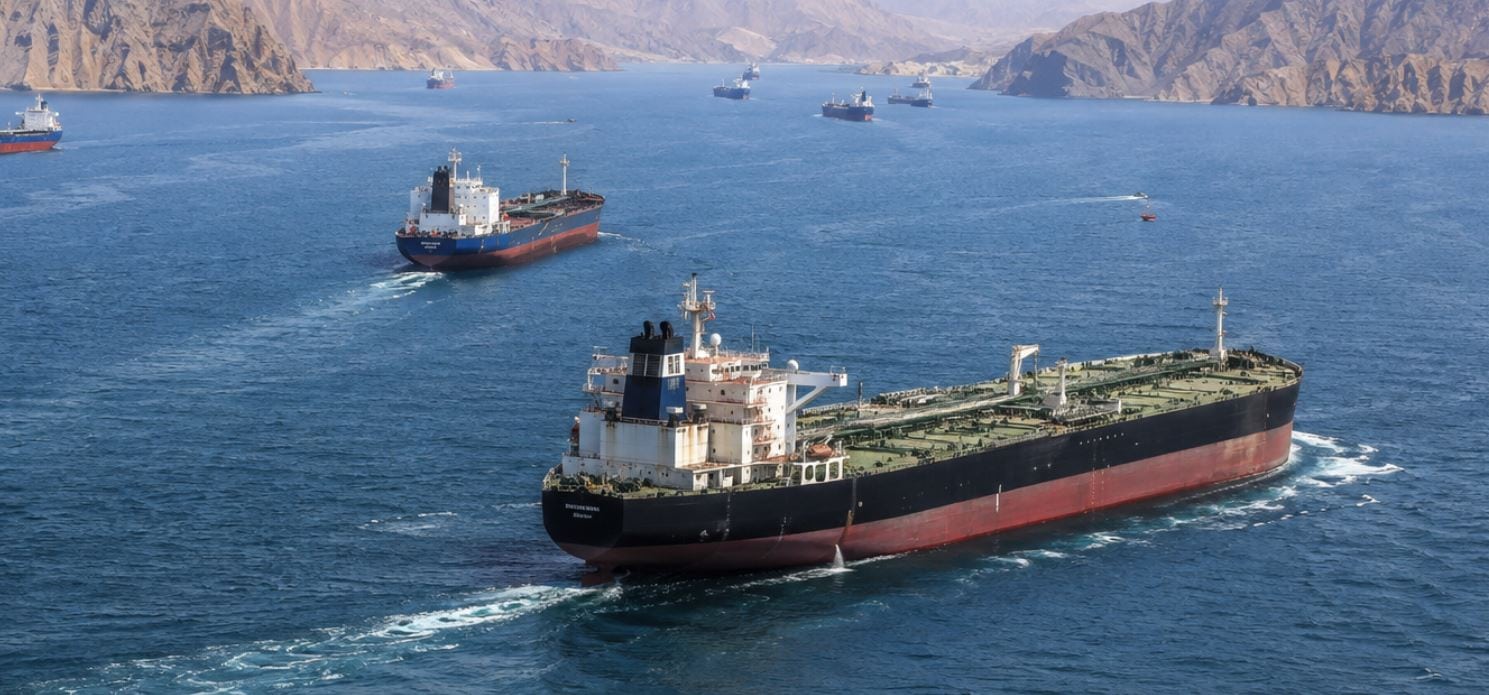
Major General Mohsen Rezaei, a senior adviser to Iran’s Supreme Leader Mojtaba Khamenei, said Iran would not allow any alternative route in the Strait of Hormuz and insisted the waterway would not reopen under US conditions.
Rezaei also warned that any deployment of US warships or military forces would be targeted. He claimed that many vessels were turning back after receiving Iranian warnings, adding that ships following US instructions suffered losses before reversing course.
He further stated that Iran remained committed to its position that the Strait of Hormuz would not reopen on terms dictated by the United States.
Rezaei also said Iran had prepared strikes against three targets in Ukraine but decided against carrying them after Ukraine acknowledged that an attack on an Iranian vessel had been a mistake. He added that Ukraine would still have to “pay the price.”
Meanwhile, speaking to reporters at the White House, President Donald Trump said the United States was engaged in talks with Iran at Tehran’s request. He added that Saudi Arabia, the United Arab Emirates, Qatar, and several other countries were supporting the diplomatic process.
Trump described the current negotiations as Iran’s last opportunity to reach what he called a good agreement before facing severe consequences. He said he hoped Iran would make what he described as the right decision but warned that failure to reach a deal would result in “devastating action.”
The US president also rejected the possibility of Iran charging commercial vessels for passage through the Strait of Hormuz. He said freedom of navigation through the strategic waterway must be maintained and asserted that Iran would not be allowed to impose transit fees. Trump further claimed the United States had the capability to enforce a blockade if necessary but said charging fees was “out of the question.”
About the Author