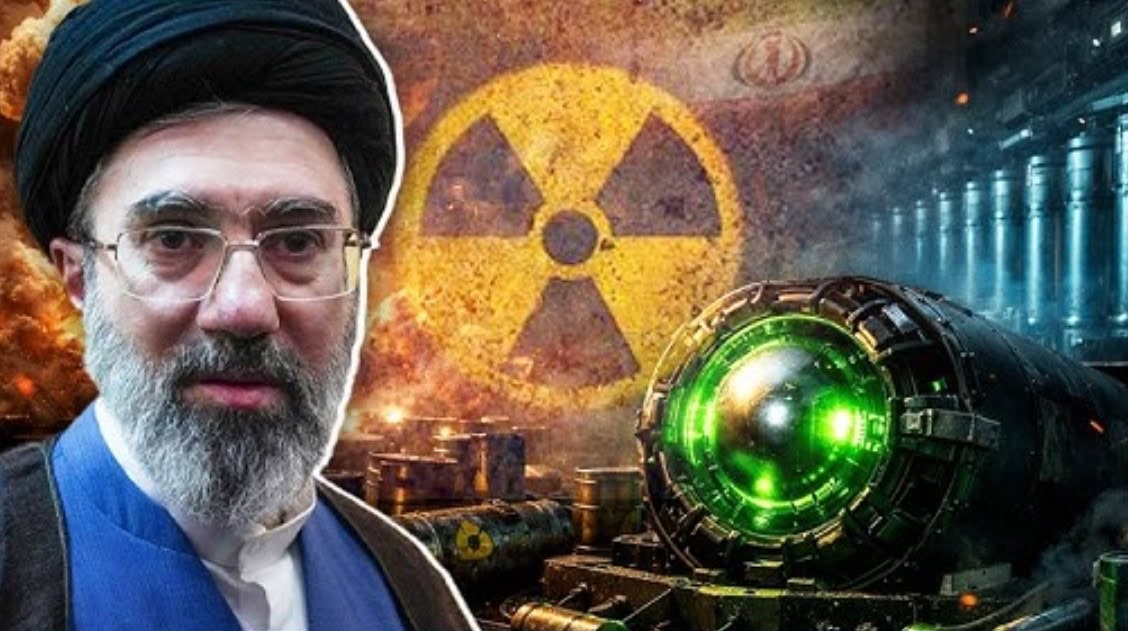
TEHRAN – As world witnessed silver lining in US-Iran Peace agreement, a major wave of confusion erupted over reports claiming sweeping US–Iran nuclear agreement.
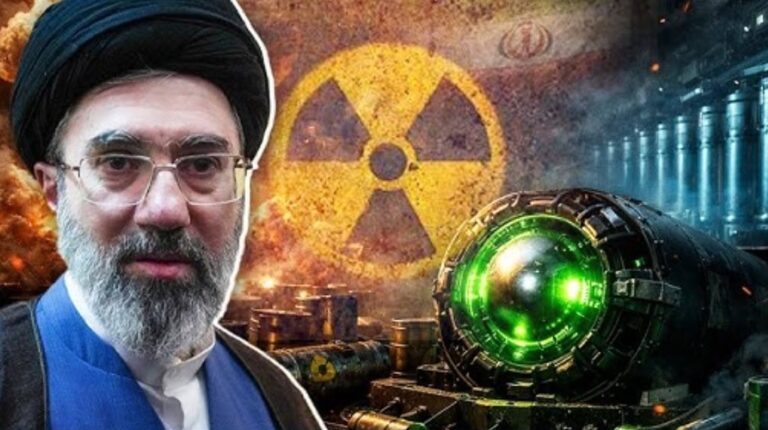
As both sides are yet to share official word on the matter, Tehran rejected allegations that it had agreed to transfer highly enriched uranium abroad or cap enrichment above 3.6% for 10 years under this framework. Iranian officials dismissed the reports as “completely false,” triggering fresh uncertainty around the status of high-level negotiations.
According to Tehran, the current diplomatic engagement is not focused on nuclear concessions at all. Instead, Iranian sources insist the talks are centered on ending ongoing regional conflicts and stabilizing tensions across multiple fronts. A source cited by Tasnim stated that nuclear issues are not even part of the present negotiation agenda.
Iran’s top leadership also reportedly drawn a hard red line on uranium policy, with Supreme Leader Ali Khamenei said to have instructed that uranium must remain inside the country under any future agreement.
Foreign Ministry spokesperson Esmaeil Baqaei further clarified that Tehran is deliberately avoiding detailed nuclear negotiations at this stage, insisting the issue will only be addressed later in separate, structured talks. For now, Iran says its priority is regional de-escalation, including conflict zones such as Lebanon.
Conflicting reports suggest Iran may have already submitted two proposals during Pakistan-mediated discussions. One reportedly links the reopening of the Strait of Hormuz to US financial compensation, while another demands urgent sanctions relief and access to frozen Iranian assets before any final deal can be reached.
Meanwhile, Pakistan unexpectedly emerged as a key diplomatic facilitator, with Prime Minister Shehbaz Sharif signaling that a second round of high-stakes “Islamabad Talks” could begin soon. Islamabad has positioned itself as a behind-the-scenes broker attempting to cool escalating US–Iran tensions and push forward a fragile draft framework for dialogue.
The recent discussions focused on rapidly shifting regional dynamics and explored potential pathways toward a broader peace deal. Islamabad played a quiet but influential role in shaping early proposals aimed at stabilizing US–Iran relations after months of escalation that disrupted maritime trade routes and rattled global energy markets.
US, Iran near Final Peace Deal after intensive Pakistan-Led Backchannel Talks
About the Author