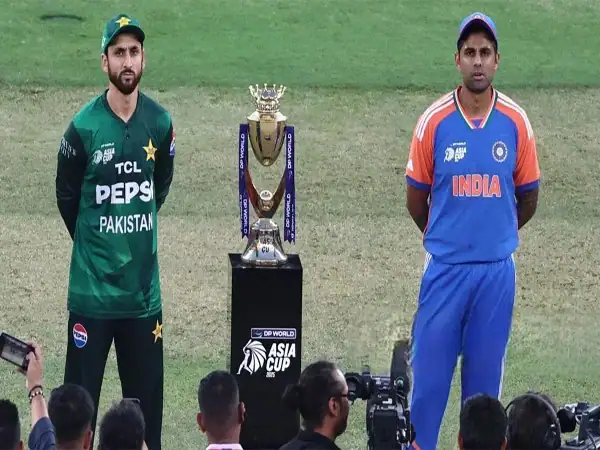
Since Pakistan announced yesterday that it will not play its T20 World Cup match against India, there has been upheaval in India and across the cricketing world, primarily due to the revenue generated by a Pakistan–India clash.
In modern cricket, some matches are bigger than entire tournaments, and in the T20 World Cup, a Pakistan–India encounter is not just another fixture but an exceptionally significant one.
The uproar in India over Pakistan’s decision not to play India in the T20 World Cup stems from the match’s estimated value of $500 million (PKR 140 billion). This includes broadcast rights, advertising premiums, sponsorship activations, ticketing, legal betting, and other commercial activities.
This single match injects life into the entire tournament. Broadcasters purchase rights at premium prices, and the ICC uses the revenue to financially support boards that are unable to generate such income on their own.
For broadcasters, this match is a golden goose. During a Pakistan–India game, the cost of a 10-second advertisement ranges from 2.5 million to 4 million Indian rupees (approximately PKR 7.6 million to PKR 12.2 million), making matches against other major Indian opponents appear relatively inexpensive. The absence of this match would effectively reshape the entire financial structure of the tournament.
According to Indian media, the first to bear the loss if the match does not take place will be the rights holders. It is estimated that advertising revenue alone during a Pakistan–India match amounts to around 3 billion Indian rupees (PKR 9.2 billion).
In case of losses, broadcasters recover their shortfall from the ICC. As a result, not only would the revenues of Pakistan and India be reduced, but the ICC would also face serious difficulties in making payments to other Full and Associate member boards.
Web Desk
About the Author