ISLAMABAD – A new controversy erupted around Pakistan’s multibillion-dollar Diamer-Bhasha Dam after social media claims alleged that the government had abandoned the project’s planned 4,500-megawatt hydropower component.
The controversy intensified after a social media post alleged that the government decided to construct the dam as a water-storage project while dropping its power-generation facilities. The post reportedly relied on what it described as a leaked internal document associated with the Economic Affairs Division.
The misleading claims triggered questions over the future of one of Pakistan’s key water and energy projects. Amid contrasting statements, Ministry of Economic Affairs firmly rejected reports that Pakistan scrapped dam’s electricity-generation component, calling it fabricated.
The official planning picture tells a different story. Diamer-Bhasha remains associated with planned 4,500MW generation capacity, and available power-sector planning documents for 2025–35 continue to place the project within Pakistan’s future electricity-generation framework.
The project’s power evacuation requirements are also reflected in longer-term transmission planning, indicating that the hydropower facilities remain part of the broader national power-sector blueprint.
The controversy gained further momentum after a foreign-based website published a report alleging that Pakistan decided to move ahead with the dam without its electricity-generation component. The report reportedly cited purported leaked document as the basis for the claim.
For a project of this magnitude, a decision to abandon thousands of megawatts of planned generation would show major shift in Pakistan’s energy policy. Such a move would ordinarily be expected to leave a clear documentary trail through the relevant ministries, planning authorities or power-sector institutions. No such publicly verifiable trail has emerged so far.
Economic Affairs Division has also featured prominently in the controversy, but its role needs to be understood carefully. The division deals with matters related to external economic assistance and foreign financing. Developments involving project financing do not automatically mean that the underlying project has been cancelled or that one of its major components has been removed. And, financing arrangements and project scope are not necessarily the same thing.
A change, delay or dispute involving funding cannot by itself be interpreted as an official decision to eliminate the project’s hydropower facilities.
The allegations have spread rapidly across social media, with accounts described as politically affiliated or foreign-based amplifying the cancellation narrative. But repetition does not turn an allegation into a verified fact. Ministry of Economic Affairs directly disputed claim, while available national power-planning information continues to reflect the 4,500MW component.
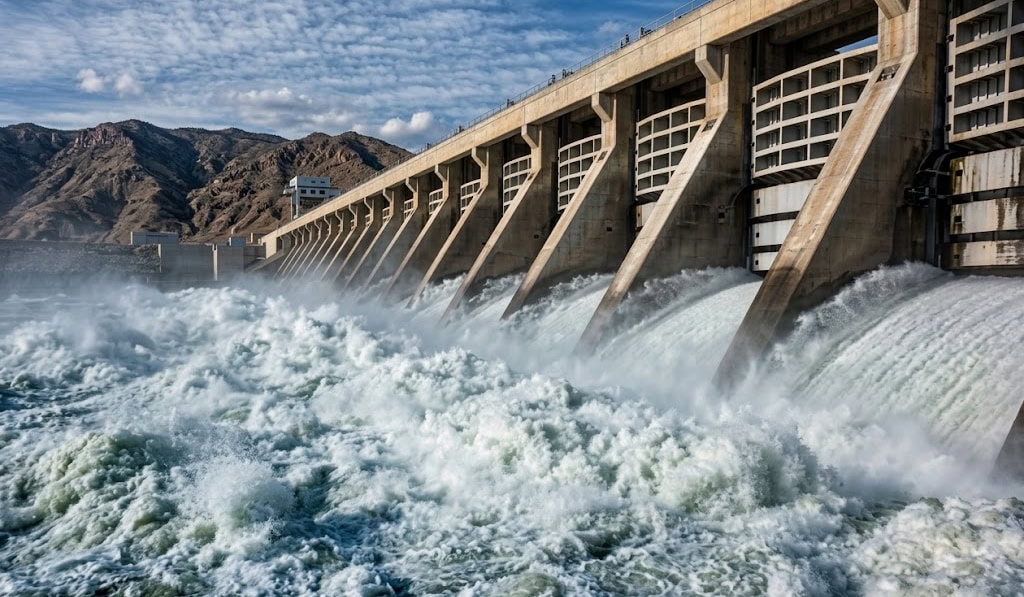
The Diamer-Bhasha Dam is far more than another infrastructure project. It extends across water storage, electricity generation and Pakistan’s long-term economic and energy planning. The proposed 4,500MW generating capacity makes the project particularly important for a country facing persistent pressure on its electricity system.
Any decision to remove that capacity would therefore have major implications for future power planning. That is precisely why claims of cancellation require more than anonymous sources, social media posts or alleged leaks.
News Desk
About the Author