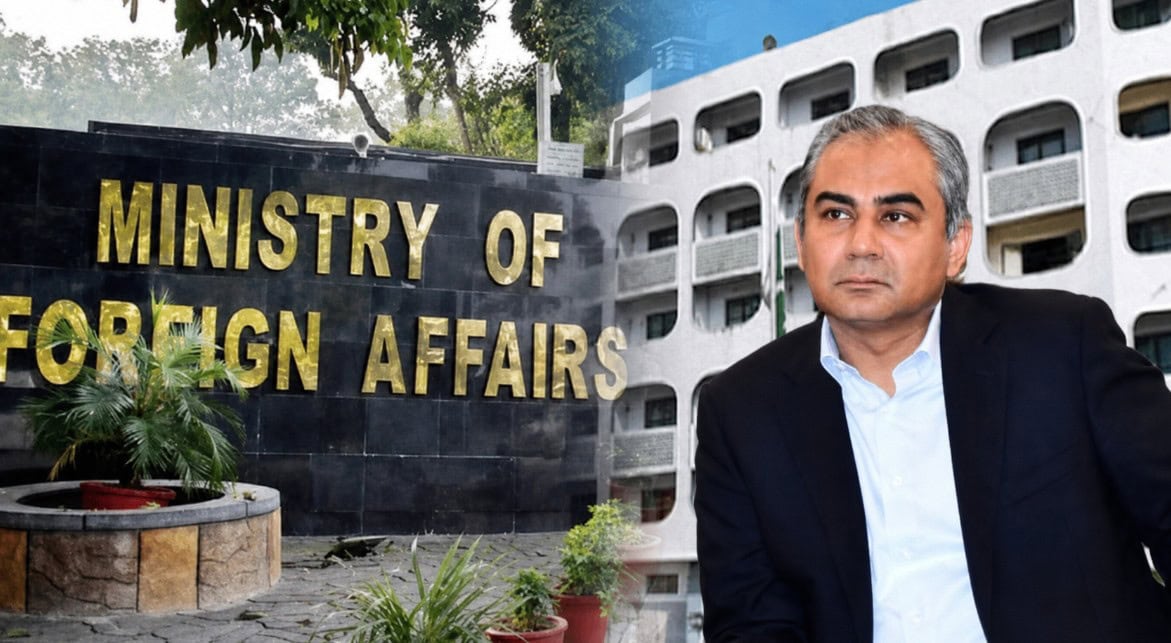
ISLAMABAD – Pakistan’s political circles are buzzing over federal cabinet reshuffles, with Interior Minister Mohsin Naqvi emerging as the frontrunner for country’s next Foreign Minister.
Several posts shared by journalist Azaz Syed and other journos said Deputy Prime Minister and Foreign Minister Ishaq Dar is being considered for a return to the Finance Ministry, while Naqvi could lead foreign policy at time of rapidly evolving regional and global dynamics.
🚨 🚨 Portfolio Changes likely after the budget : Interior Minister @MohsinnaqviC42 is being considered as Foreign Minister of Pakistan and @MIshaqDar50 is being considered as Finance Minister of Pakistan
— Azaz Syed (@AzazSyed) June 17, 2026
Although the government has yet to officially confirm any changes, the possibility of Naqvi’s elevation to the Foreign Office has sparked widespread debate among political insiders, diplomats, and analysts, many of whom view the move as recognition of his increasingly prominent role beyond the interior portfolio.
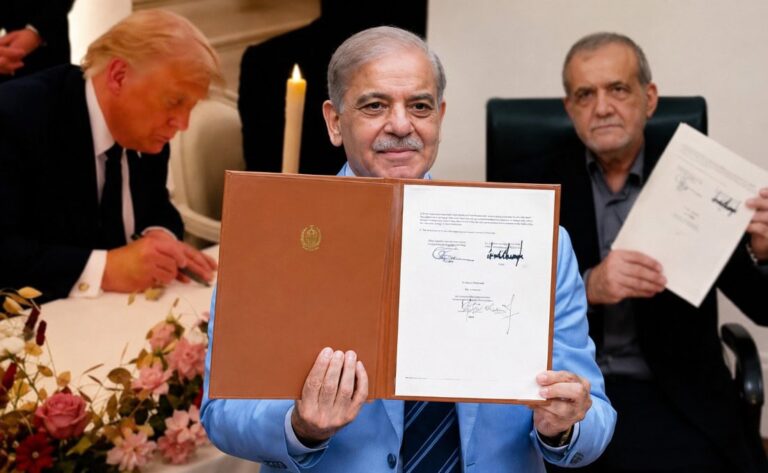
In recent years, Naqvi transformed from domestic security chief into one of the most visible faces of Pakistan’s international engagement. His growing influence became particularly notable during US-Iran war, when Islamabad stepped into the role of mediator amid fears of a wider regional conflict.
Behind the scenes, Islamabad launched diplomatic effort aimed at keeping communication channels open between Washington and Tehran. While Prime Minister Shehbaz Sharif and Field Marshal Asim Munir were seen as most active members.
Naqvi undertook multiple visits to Tehran, holding meetings with senior Iranian leaders and security officials as tensions threatened to spiral. During those engagements, he reportedly carried messages, proposals and diplomatic communications intended to bridge gaps between rival sides and reduce the risk of further escalation.
His role extended beyond routine diplomacy as Pakistan positioned itself as a peacebroker to facilitate dialogue on sensitive issues ranging from regional security and sanctions to maritime stability and broader peace initiatives.
Officials involved in the process have credited Pakistan’s mediation efforts with helping create the conditions for ceasefire arrangements and subsequent de-escalation measures that reduced the risk of a broader confrontation. Throughout the crisis, Islamabad consistently projected itself as a voice for dialogue rather than conflict, a strategy that earned international attention.
The diplomatic campaign also improved Pakistan’s standing on the global stage. UK, US, EU and other countries acknowledged Islamabad as constructive player capable of engaging both sides during unprecedented tensions. Pakistan conveyed messages in line with longstanding ties with Iran, its strategic relationship with the US, and its close coordination with regional partners as factors that enhanced its credibility.
Is Ishaq Dar set to return as Pakistan’s New Finance Minister?
About the Author