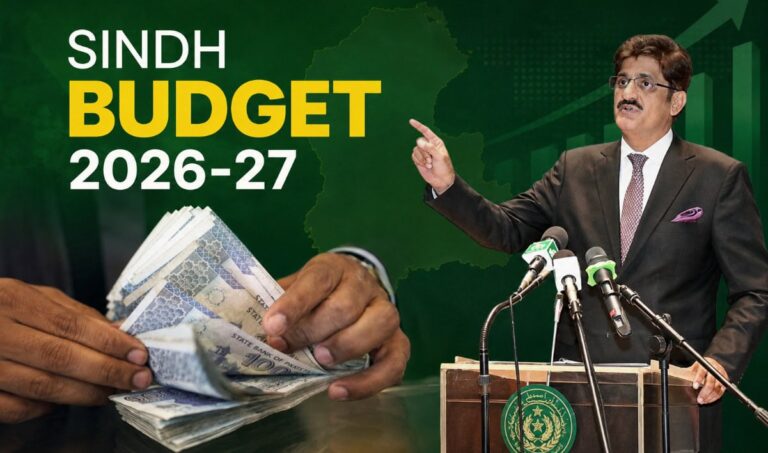
Pakistan’s automotive sector is once again facing potential headwinds as proposed budgetary measures are expected to drive up vehicle prices across multiple segments. Industry experts caution that increased taxation on locally assembled vehicles could place further pressure on affordability, slow down market momentum, and hinder the shift toward cleaner mobility options.
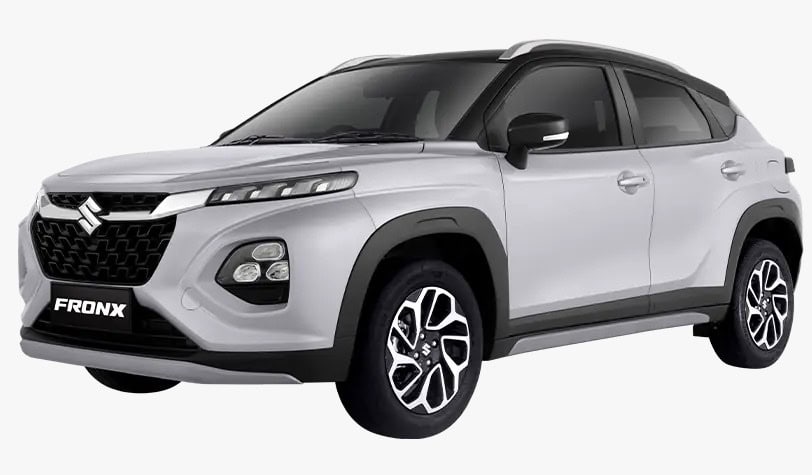
One of the models likely to be affected is the Suzuki Fronx, a recently launched crossover that has quickly gained traction among consumers for its modern design, strong fuel efficiency, and advanced feature set. According to industry projections, certain variants may see a price increase of up to PKR 1 million if the proposed tax structure is implemented.
Such an increase could significantly impact purchasing decisions, particularly for middle-income buyers who are already navigating rising inflation, higher financing costs, and increasing ownership expenses. Additional taxation may further restrict access to new, more efficient vehicles.
Experts also highlight the broader environmental implications of delayed vehicle replacement cycles. While newer vehicles offer improved fuel efficiency and lower emissions, older vehicles continue to contribute disproportionately to fuel consumption and environmental pollution.
Although electric vehicles remain central to global sustainability discussions, many industry observers emphasize that hybrid vehicles present a more practical and immediately deployable solution for Pakistan. Hybrid technology reduces fuel consumption and emissions without relying on extensive charging infrastructure, making it suitable for a wider consumer base, especially in regions with limited EV infrastructure.
Globally, hybrid adoption has served as an effective transitional pathway toward full electrification. Encouraging such technologies can deliver immediate environmental benefits while allowing time for charging infrastructure to develop more broadly.
Stakeholders further advocate for a technology-neutral policy approach that supports all low-emission vehicle technologies, including hybrids, plug-in hybrids, and electric vehicles. Such a framework could help balance environmental objectives with affordability, infrastructure limitations, and consumer realities.
As budget deliberations continue, industry voices stress the importance of stable, forward-looking policies that support innovation, strengthen local manufacturing, and ensure that modern mobility solutions remain accessible to Pakistani consumers.
Suzuki Fronx redefines Urban Driving with Style, Safety, and Hybrid Efficiency
About the Author