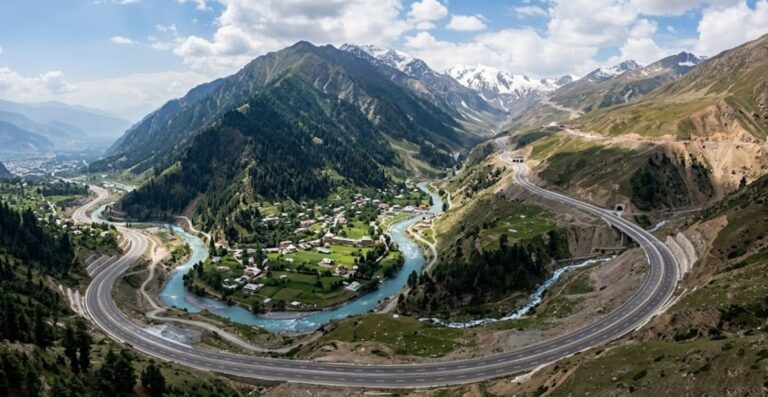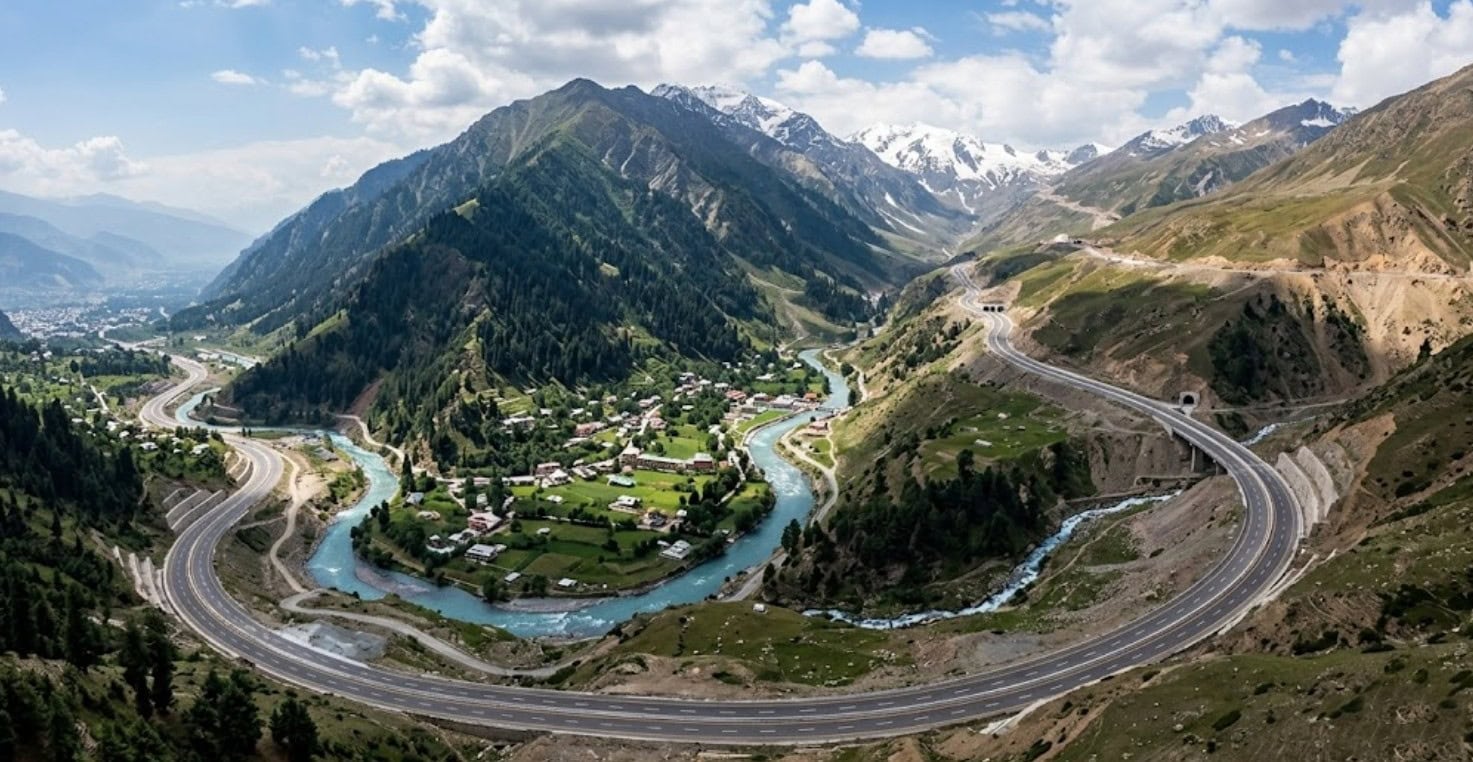
According to the briefing shared in the meeting, the project will be completed in two phases. In the first phase, the motorway will be constructed from Mansehra to Kaghan, Naran, and Babusar Top. In the second phase, it will be extended further from Babusar Top to Chilas, completing a key route through the northern mountainous region.
Officials said the motorway is not just about improving local travel, but also about creating a new strategic connection toward China. Abdul Aleem Khan described it as a safer and faster alternative to the Karakoram Highway, with the potential to further strengthen trade and economic links between the two countries.
The proposed motorway will be around 172 kilometres long, and officials estimate that it could reduce travel distance on the Karakoram Highway route by nearly 120 kilometres, making journeys shorter and more efficient.
The route is also expected to play key role in connecting western China with Pakistan’s major ports, Karachi and Gwadar, which could boost trade flow in the wider region.
One of the most notable features of the project is a planned 13.5-kilometre Babusar Tunnel, which, once completed, would become the longest tunnel in Pakistan. The motorway itself will initially be built as a four-lane road, with the option to expand it to six lanes in the future as traffic increases.
To support travelers and transporters, the plan also includes modern rest areas every 25 to 30 kilometres, along with dedicated truck terminals to help improve freight and commercial activity along the route.
The meeting also reviewed technical, financial, and administrative progress, with updates presented by the Federal Secretary for Communications and the Chairman of NHA.
Overall, officials described the project as a long-term investment in connectivity, one that could make travel in the northern areas easier while also strengthening Pakistan’s role as a trade corridor between China and the Arabian Sea.
Lahore–Islamabad Motorway Update amid Security Clampdown in Capital
About the Author