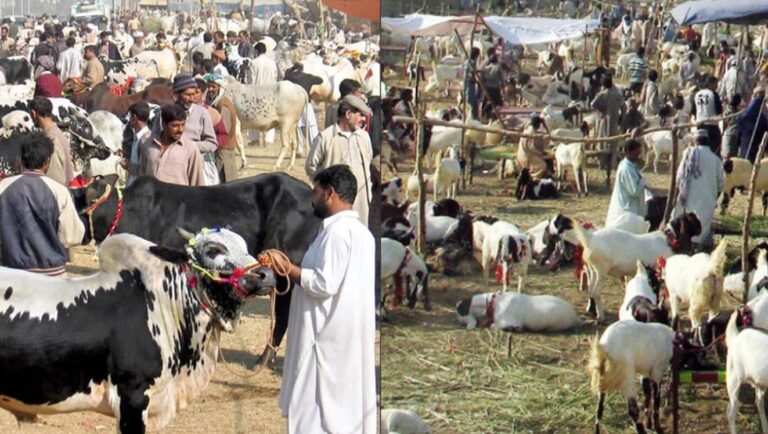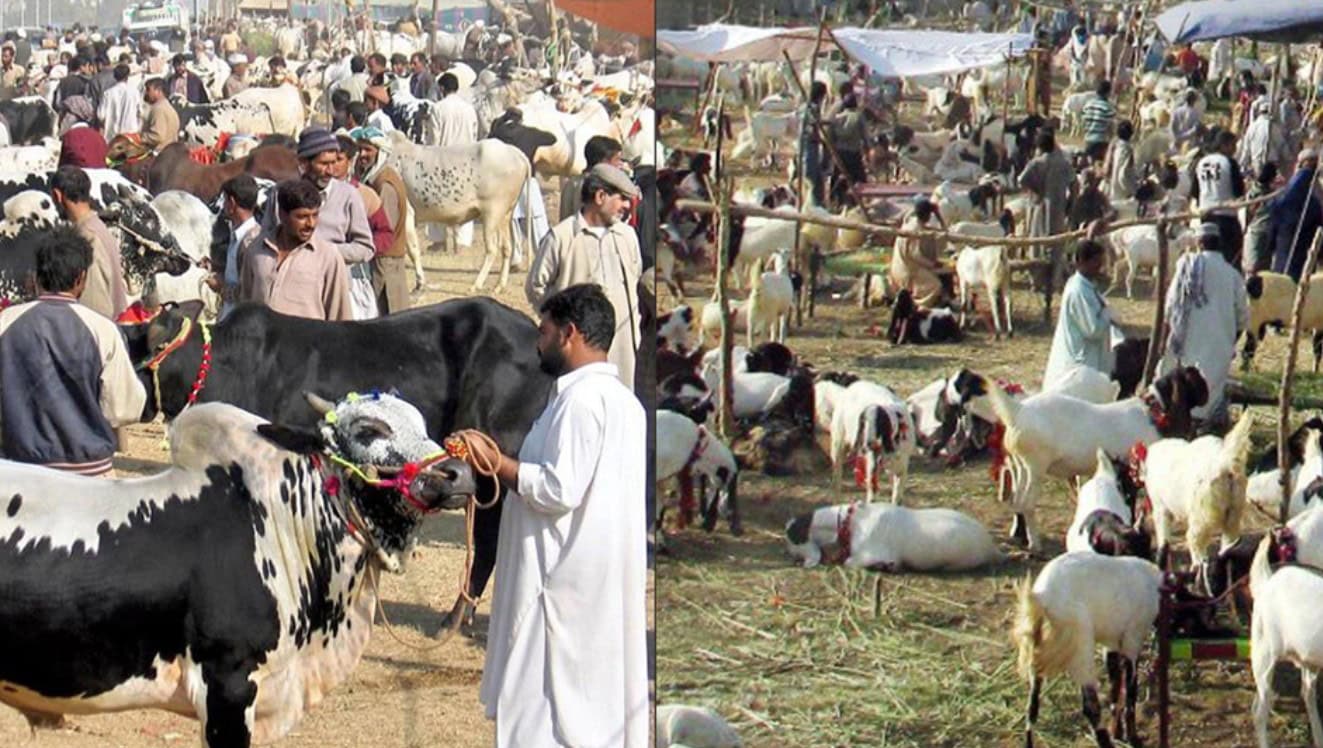
LAHORE – On Eid-ul-Azha 2026, Pakistan witnesses major seasonal economic surge driven by Qurbani of around 7.5 million animals. The trade fuels the nationwide supply chain, generating an estimated 8.7 billion rupees in economic activity.
Pakistan is witnessing a massive economic windfall during Eid-ul-Adha as trade of animal transforms into a multi-billion-rupee industry, powering livelihoods and strengthening the country’s export-driven leather sector.
The country is expected to generate staggering Rs8.7 billion rupees in economic activity this year alone from the hides of sacrificial animals. The scale is enormous: around 7.5 million animals are expected to be sacrificed nationwide.
The breakdown of this vast livestock sacrifice includes approximately 2.8 million cattle, 4.3 million goats, 500,000 sheep, and 30,000 camels, all contributing to a surge in hide collection across the country.
Over the past decade, the South Asian nation has seen 17% increase in the number of sacrificial animals, reflecting growing population demand and increased purchasing capacity during the religious festival.
The leather industry, a long-standing pillar of Pakistan’s export economy, is also undergoing a transformation. Over the past nine years, the sector has gradually shifted away from reliance on raw hides toward higher-value finished goods such as leather products and footwear.
This shift is already paying off. Pakistan’s exports of leather goods and shoes have climbed to an impressive $694.20 million, signaling a move up the value chain in global markets.
Economic experts note that government policy is increasingly focused on encouraging this transition, from exporting raw materials to producing finished, value-added goods domestically. This strategy aims to maximize profits, create jobs, and strengthen industrial capacity.
The rising number of sacrificial animals and expanding hide show strong consumer demand despite economic pressure.
Pakistani celebrities celebrate Eid-ul-Azha 2026 in Style; See Pictures
About the Author