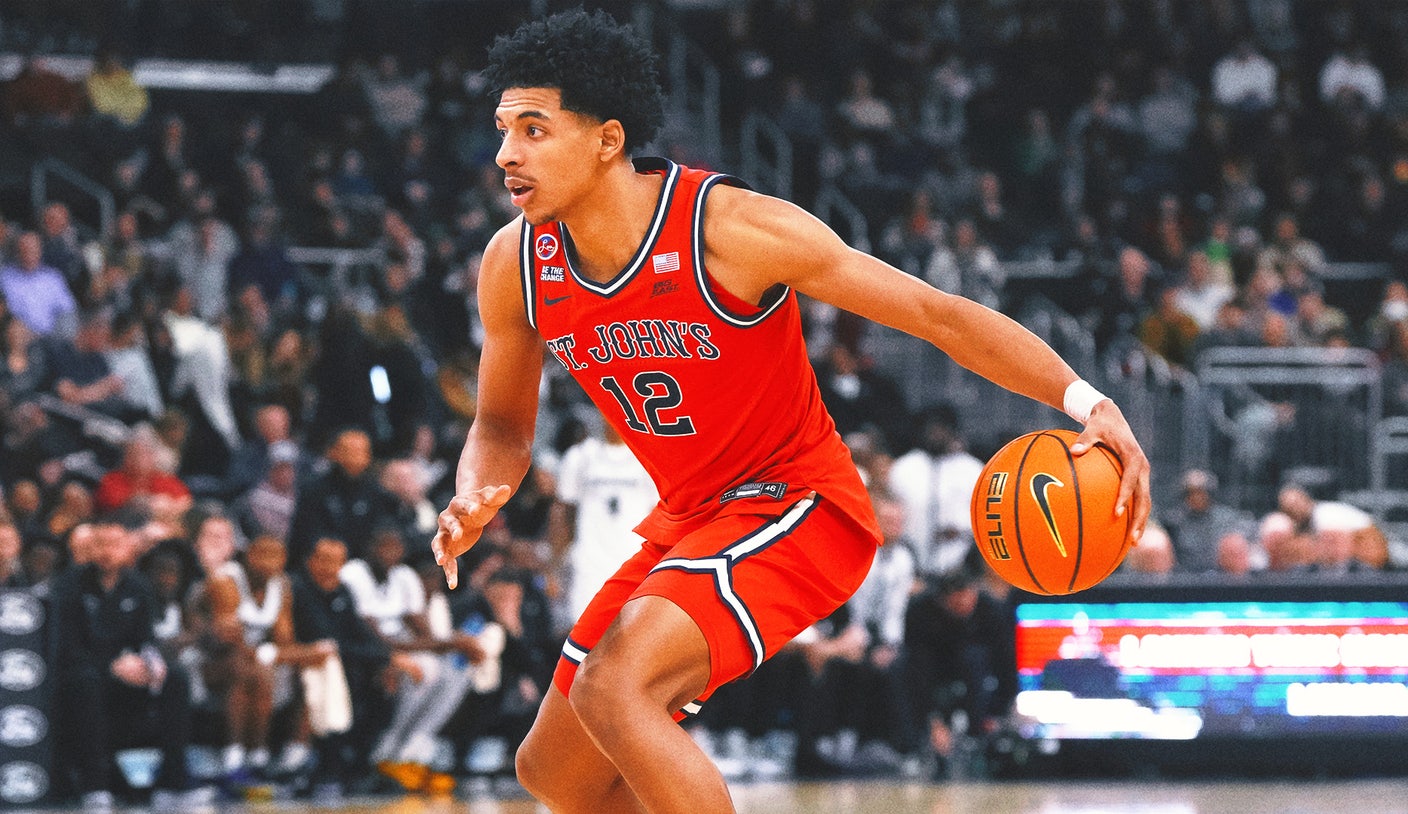
As college basketball continues navigating the rapidly evolving NIL and transfer portal era, another major eligibility situation has emerged.
Former St. John’s standout and 2025 Big East Player of the Year RJ Luis Jr. has reportedly committed to LSU after spending time in the NBA and G League ranks with the Utah Jazz and Boston Celtics.
Following his breakout 2024-25 campaign with the Red Storm in which he averaged 18.2 points and 7.2 rebounds per game, Luis entered both the transfer portal and the NBA Draft. Despite drawing significant NIL interest to remain in college basketball at the time, the 6-foot-7 wing elected to keep his name in the draft beyond the NCAA withdrawal deadline.
Luis went undrafted before signing a two-way contract with the Utah Jazz. He later was traded to the Boston Celtics organization and eventually signed an Exhibit 10 contract with the Maine Celtics, Boston’s NBA G League affiliate.
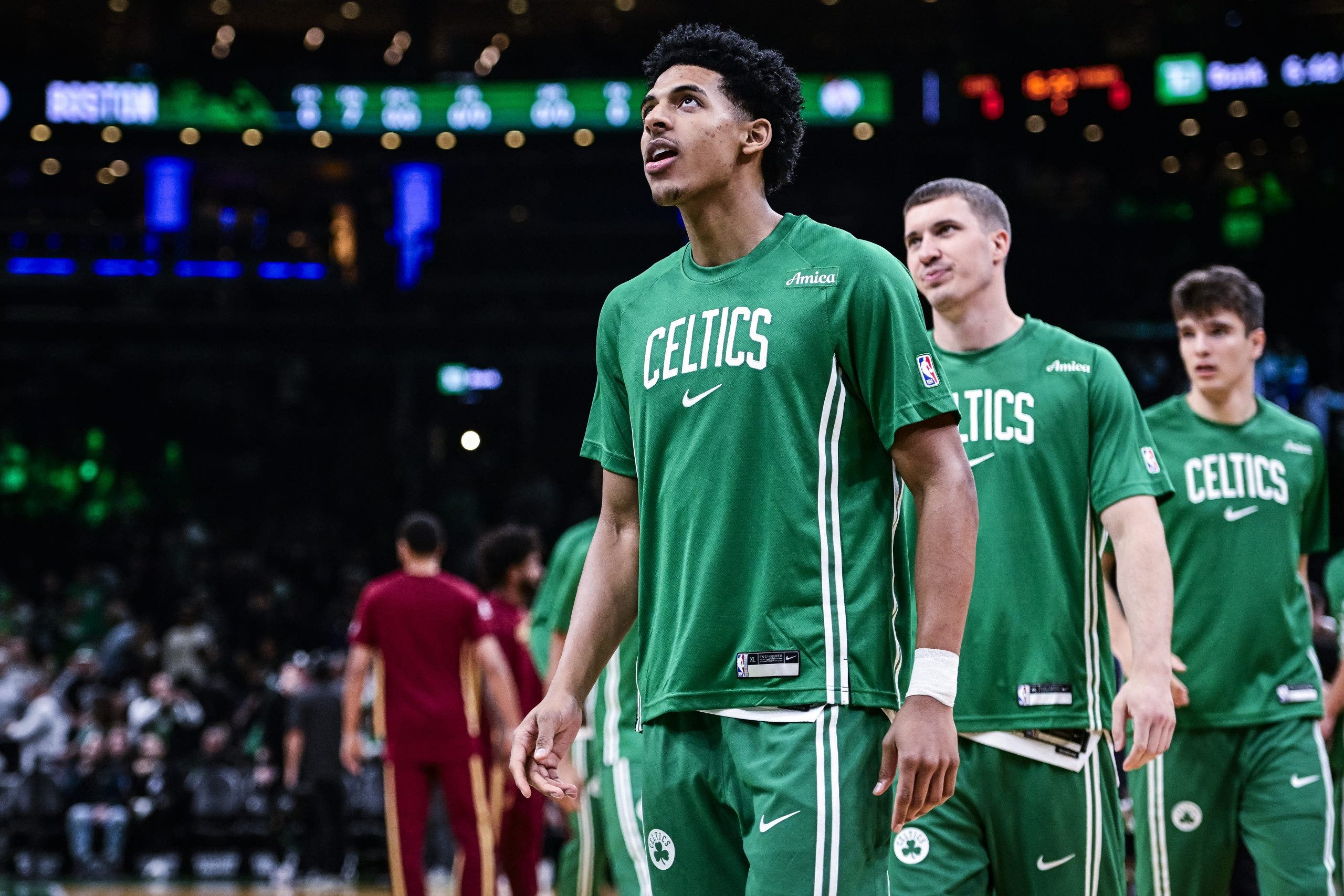
RJ Luis Jr. #12 warms up with the Boston Celtics prior to a preseason game against the Cleveland Cavaliers (Getty Images).
However, injuries prevented Luis from appearing in a game during his time with Maine before he was ultimately waived.
Luis has now landed at LSU, where he would join a Tigers program entering its first season back under head coach Will Wade. Wade previously coached the program from 2017-22 before returning to Baton Rouge in March.
On top of the addition of Luis, Wade and LSU have aggressively targeted players with unique professional and eligibility backgrounds this offseason. That reportedly includes Israeli guard Yam Madar, a former second-round pick of the Boston Celtics in the 2020 NBA Draft.
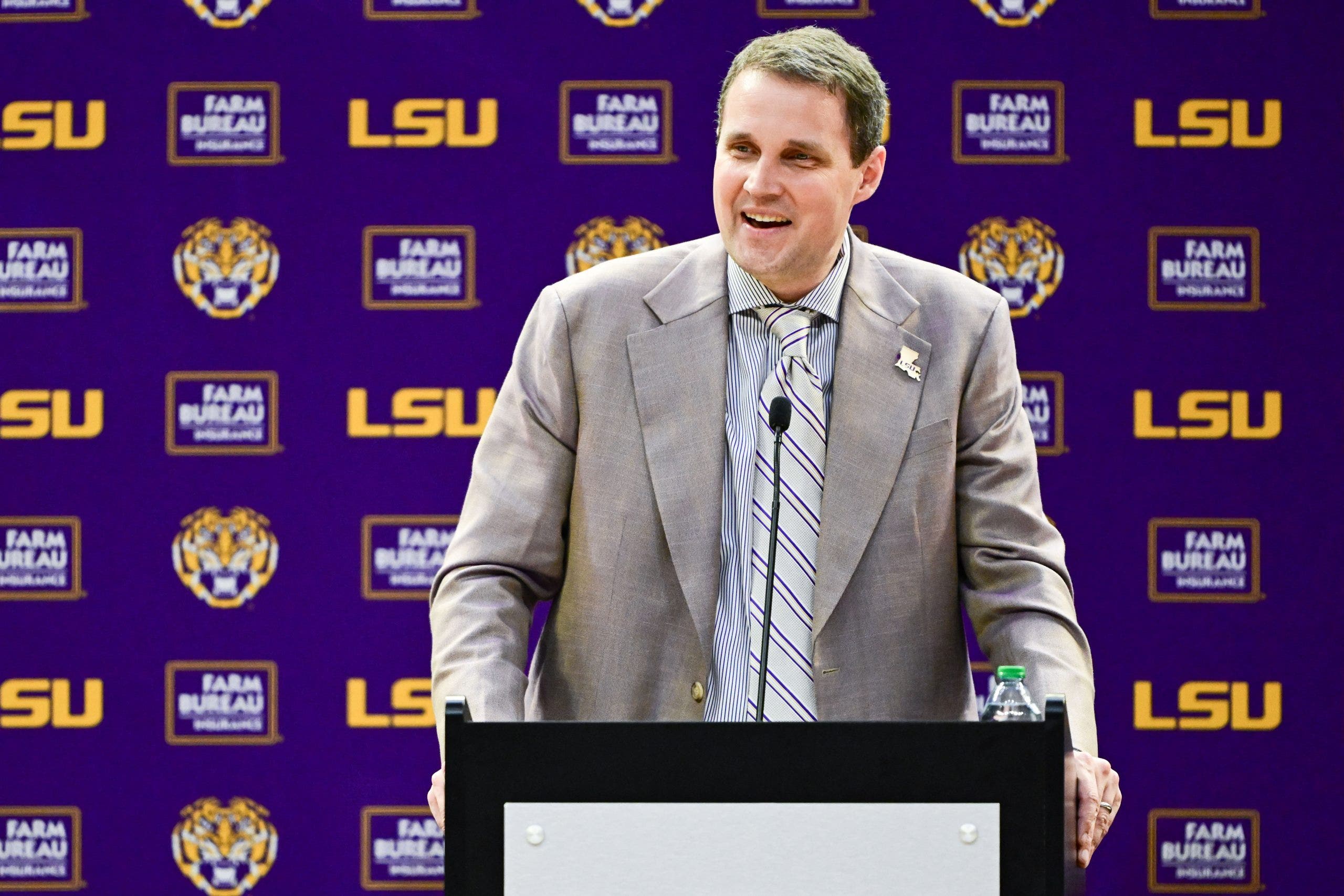
Will Wade returns to Baton Rouge as LSU’s new head coach (Getty Images).
While Madar never officially signed an NBA contract or suited up for the Celtics, he played in three 2021 NBA Summer League games.
So how is this allowed and what comes next? That is where the situation becomes significantly more complicated.
The NCAA has previously ruled that players who sign NBA contracts, including two-way contracts, are ineligible to return to college basketball.
NCAA president Charlie Baker reiterated that stance publicly last year amid another high-profile eligibility case involving former Alabama center Charles Bediako back in December.
Like Luis, Bediako declared for the NBA Draft, went undrafted and later signed a two-way NBA contract with the San Antonio Spurs before attempting to return to the college ranks. Bediako challenged the NCAA’s ruling in court and briefly played in five games for Alabama after receiving a temporary restraining order, though a judge later denied his request for a preliminary injunction and ended his eligibility case.
Luis, and potentially Madar, will likely have to follow a similar path to Bediako in order to gain eligibility. This case will likely depend on how the legal process and NCAA eligibility proceedings ultimately play out.
About the Author