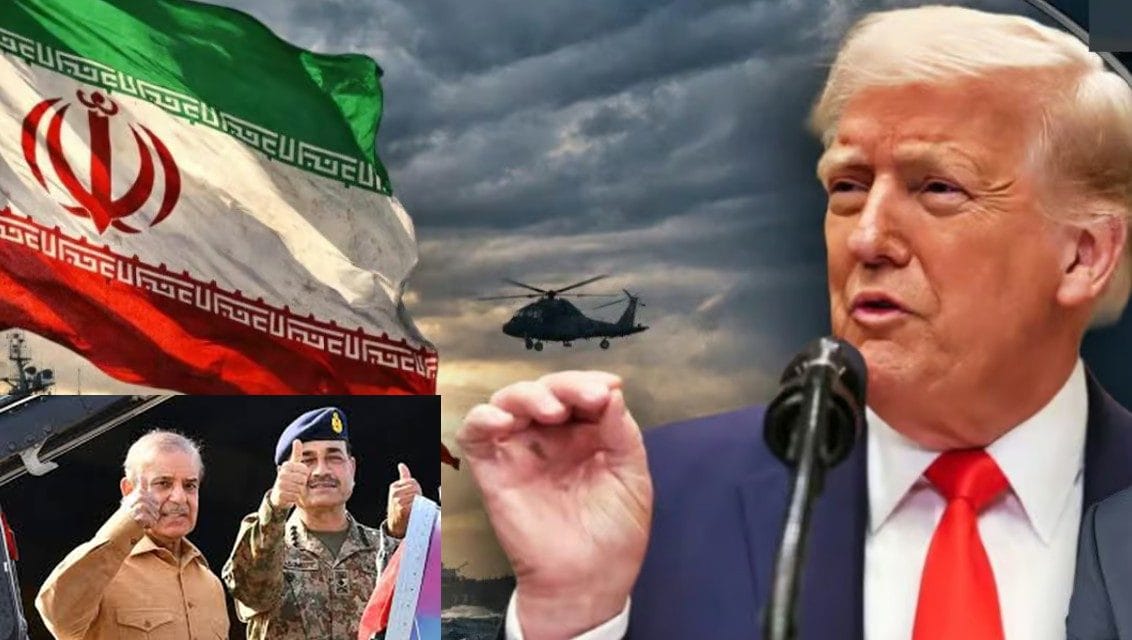
ISLAMABAD – US President Donald Trump extended ceasefire between United States and Iran, staying in place until Tehran submits what he called a “unified proposal” and negotiations reach a final conclusion.
Trump revealed that the decision came amid what he described as deep internal divisions within Iran’s leadership. He said the move followed direct requests from Pakistan’s Field Marshal Asim Munir and Prime Minister Shehbaz Sharif, urging Washington to delay military action and allow diplomacy more time.
Trump confirmed that he had ordered US forces to continue enforcing blockade and remain on full alert, warning that military readiness would be maintained until Iran formally presents its proposal and talks are completed “one way or the other.”
The ceasefire, originally brokered by Pakistan on April 8, was already approaching a critical deadline. It had been set to expire on April 21 at 8pm ET, but Trump first extended it until Wednesday evening Washington time before confirming yet another extension, despite earlier remarks that no further delays would be granted.
Meanwhile, Prime Minister Shehbaz Sharif publicly thanked the US president, saying the extension would give vital breathing space for ongoing diplomatic efforts. He reaffirmed Pakistan’s commitment to peaceful resolution and expressed hope that upcoming talks in Islamabad could pave the way for a lasting peace agreement.
Iran, however, has so far remained silent on the extension, adding to growing uncertainty.
The extension comes amid mounting uncertainty over a planned second round of US-Iran negotiations in Islamabad—talks aimed at de-escalating tensions that erupted following US-Israeli strikes on Iran on February 28.
Despite expectations, doubts now surround whether the talks will even take place. Tehran has sent mixed signals, while reports suggest delays in the travel of US Vice President JD Vance, who was expected to lead the American delegation. A White House official later confirmed that his visit would not proceed as scheduled.
Iranian Foreign Ministry spokesperson Esmaeil Baghaei said Tehran had not yet decided whether to participate in the Islamabad talks. He sharply criticised Washington, accusing it of contradictory actions and calling recent US moves against Iranian vessels “piracy at sea” and “state terrorism.”
Pakistan positioned itself at the center of diplomatic efforts, continuing to urge both sides toward dialogue. Information Minister Attaullah Tarar said Islamabad was still awaiting Iran’s formal confirmation for participation in the second round of talks. He emphasized that a response before the ceasefire deadline was crucial.
Deputy Prime Minister and Foreign Minister Ishaq Dar also appealed to both Washington and Tehran to extend the ceasefire and allow diplomacy to take its course. He reiterated Pakistan’s long-standing position that dialogue remains the only viable path to regional peace and stability.
‘No Escape for Iran from Islamabad Talks’: Trump Pushes Tehran as ceasefire deadline looms
News Desk
About the Author