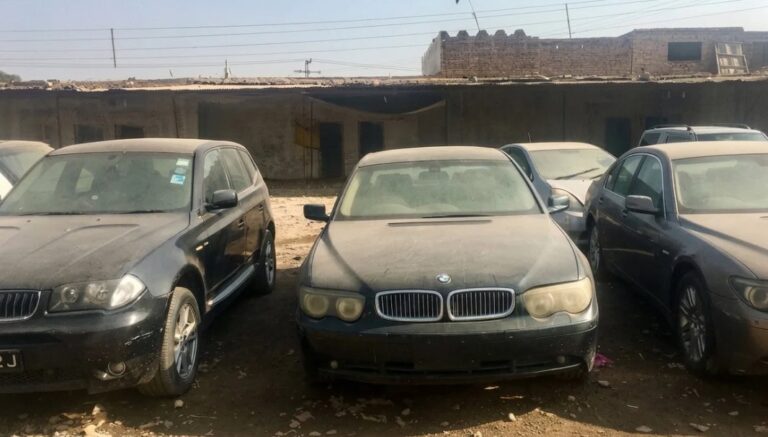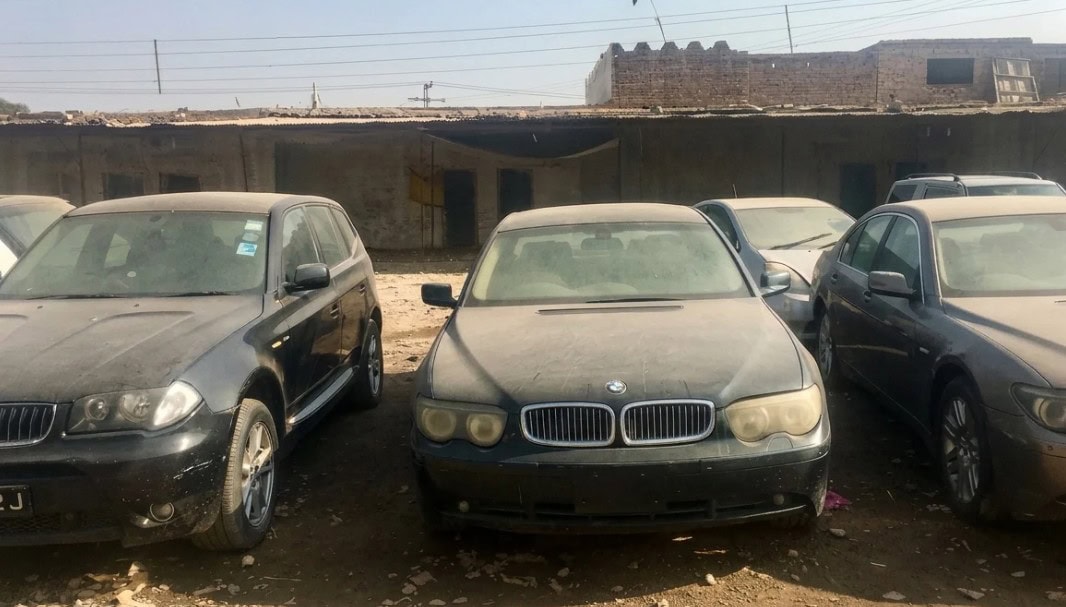
ISLAMABAD – The future of nearly 4Lac non-customs-paid (NCP) Cars across Pakistan comes under scrutiny after Senate committee called on the government to develop a comprehensive policy for their registration and taxation.
The issue emerged during meeting of Senate Standing Committee on Finance, chaired by Senator Saleem Mandviwalla, where officials discussed the legal status of NCP vehicles, expired tax exemptions and the possibility of collecting duties and taxes from vehicles currently operating without customs clearance.
During the meeting, Customs officials disclosed that approximately 400,000 NCP vehicles were present across the country, highlighting the scale of the challenge facing the government. Member Customs Operations told lawmakers that these vehicles could not simply be registered under the existing arrangements and that a formal government policy would be required to determine their future.
The official stressed that granting tax exemptions to such vehicles was not possible under the conditions of Pakistan’s International Monetary Fund (IMF) programme. He suggested that the Federal Board of Revenue (FBR) should recover applicable taxes from NCP vehicles.
The discussion also focused on vehicles operating in the former Federally Administered Tribal Areas (FATA) and Provincially Administered Tribal Areas (PATA). Senator Farooq H. Naek informed the committee that around 125,000 non-customs-paid vehicles were present in these regions and had been registered with the respective Excise departments.
He pointed out that the tax exemption previously available to vehicles in these areas had expired in 2023, raising questions about their current tax status and future registration arrangements. The issue becomes more complicated as a large number of NCP vehicles remain on the roads despite the expiry of the exemption.
After the discussion, Senate committee directed the relevant authorities to prepare a comprehensive Customs policy and present it before the lawmakers. The latest disclosure of 400,000 NCP vehicles has put the government under pressure to establish a clear framework for their taxation and registration.
The proposed policy could determine whether these vehicles will be allowed to obtain legal registration through a formal mechanism or face other regulatory measures. However, officials have yet to announce a final decision, and the matter remains under consideration.
Pakistan’s Auto Policy 2026–31 approved with Big Tax Relief, Push for Cheaper Cars
About the Author