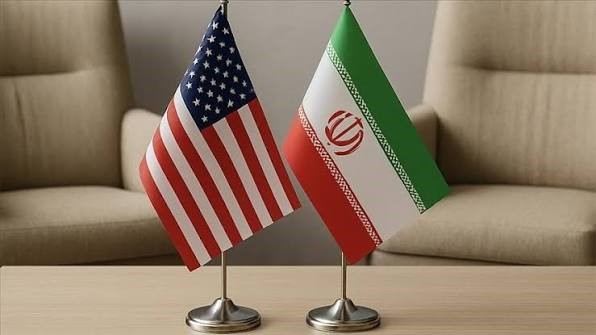
WASHINGTON/TEHRAN – The United States and Iran have signed a memorandum of understanding (MoU) aimed at easing tensions between the two countries, reopening the Strait of Hormuz to international shipping, and creating a phased roadmap for negotiations on nuclear and regional security issues.
The agreement, described by US officials as a significant diplomatic achievement, was digitally signed by US President Donald Trump, Vice President JD Vance, and Iranian Parliament Speaker Mohammad Bagher Ghalibaf. Authorities said the full text of the agreement is expected to be released within the next 24 to 48 hours, while technical discussions on implementation are scheduled to begin later this week.
A formal signing ceremony is expected to take place on Friday, with Switzerland emerging as the likely venue. Officials said procedural and technical matters are still being finalized before the agreement enters its implementation phase.
A key component of the deal is the reopening of the Strait of Hormuz, one of the world’s most important energy transit routes for oil and liquefied natural gas exports. US officials said restrictions affecting maritime traffic would be removed, allowing shipping activity to gradually return to normal levels.
President Donald Trump said commercial vessels carrying oil had already begun moving through the strategic waterway and indicated that traffic would continue to increase over time.
The agreement also establishes a phased diplomatic process under which Iran’s nuclear programme will be addressed in future rounds of negotiations rather than in the initial stage. Officials said the approach is intended to build confidence and reduce tensions before tackling more complex issues.
Regional security developments, particularly the situation in Lebanon, remain linked to the broader implementation of the accord. Iranian Foreign Minister Abbas Araqchi stressed that a lasting settlement would require an end to Israeli military operations in Lebanon, underscoring Tehran’s position that regional de-escalation is essential for the success of the agreement.
Both sides are expected to continue negotiations in the coming weeks to finalize implementation mechanisms and technical arrangements.
Web Desk
About the Author